
From the perspective of physical properties, automobile hoses are usually composed of an inner rubber layer, a reinforcement layer and an outer rubber layer. The inner rubber layer is in direct contact with the fluid, and its material needs to have specific corrosion resistance, penetration resistance or low adsorption properties depending on the transmission medium. For example, the lining of hoses carrying fuel needs to be resistant to the dissolution of hydrocarbon compounds, while the lining of hoses used in brake systems requires a high degree of stability against brake fluid. The reinforcement layer usually uses braided or wound fiber wires or steel wires. Its main function is to withstand the internal pressure of the system and inhibit the expansion of the pipe body. The outer rubber layer is exposed to the engine compartment or chassis environment and needs to withstand ozone, temperature changes and physical friction.
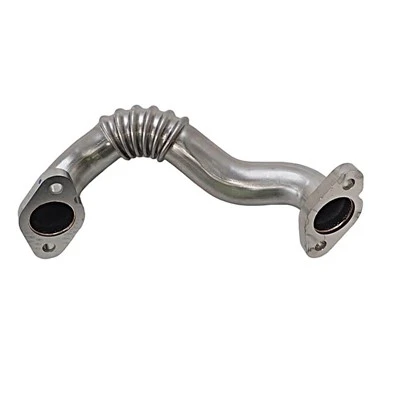
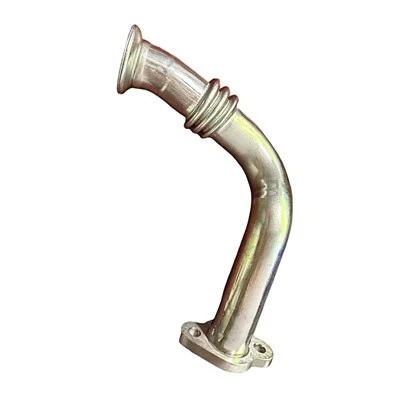
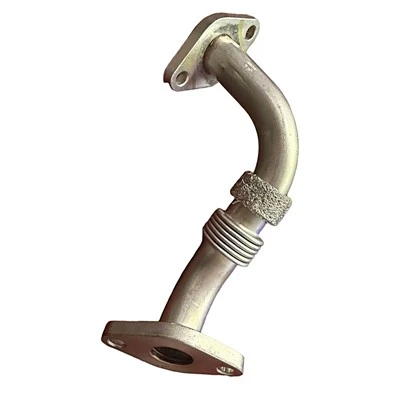
Hoses can be divided into several categories according to their functional position in the vehicle system. The cooling system hose is responsible for the coolant circulation between the engine and the radiator, and its failure will directly cause the engine to overheat. The fuel delivery hose connects the fuel tank, fuel pump and engine and requires extremely low fuel permeability to comply with environmental and safety standards. The air conditioning system hose is used to circulate refrigerant and needs to keep the system sealed and withstand the combined action of refrigerant and lubricating oil. Although the brake system hose does not directly transmit power, its diversification transmits the hydraulic pressure of the driver's brake pedal to the wheel brakes without attenuation, so it has strict requirements on the expansion rate. There are also special hoses for turbocharger intercooling, exhaust gas recirculation and other systems.
The long-term reliability of these components depends on a combination of factors. The aging of materials is a chemical process. Continuous thermal environment will accelerate the oxidative cracking of rubber molecules. Pressure pulse fatigue is a physical mechanism. The periodic operation of the engine causes frequent fluctuations in the pressure in the tube. Under long-term effects, microscopic damage may be formed in the reinforcement layer and gradually expand. External environmental erosion cannot be ignored. Road salt, oil splash and accidental contact friction of other components in the engine compartment will weaken the protective function of the outer rubber layer.
To ensure that its performance meets design requirements, hoses undergo a series of verification tests before being put into use. The burst pressure test is used to confirm that it can withstand a limit value well above the working pressure without rupture. Pulse fatigue testing simulates actual operating stress cycles to evaluate fatigue life. Permeability testing focuses on fuel pipes, measuring the amount of fuel vapor lost through the pipe wall over a specific period of time. The environmental simulation test subjects it to high and low temperatures, salt spray, ozone and other conditions to test the durability of the material.
When replacement is required, choosing a product that matches the original part's specifications is key. This includes the exact inside diameter size, length, joint shape and angle, any deviation may cause installation difficulties or create undue stress. During the installation process, it is necessary to ensure that the joints are fixed in place, the clamp torque is appropriate, the pipeline runs naturally without distortion, and there is sufficient clearance between it and other moving parts.