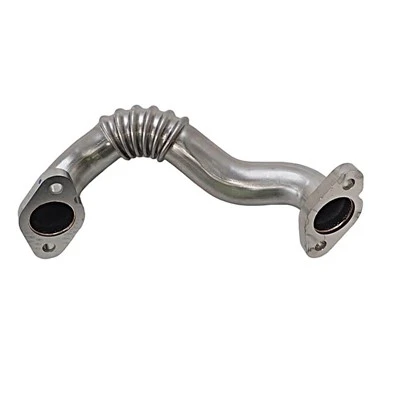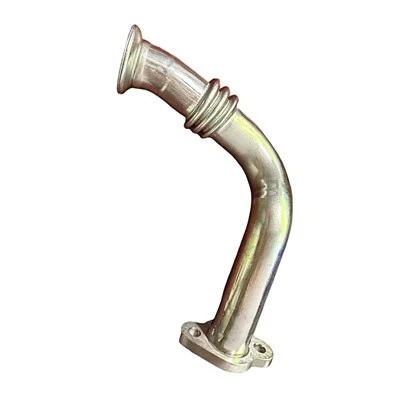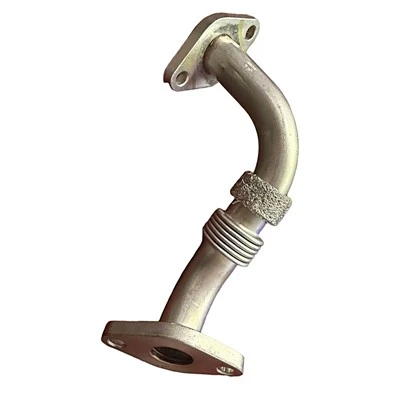


The functions of the exhaust pipe mainly include the following aspects:
Expelling engine exhaust gases and reducing pressure One of the core functions of the exhaust pipe is to expel the exhaust gases produced after engine combustion out of the car. When the engine is running, fuel combustion will produce a large amount of high-temperature and high-pressure exhaust gas. If it cannot be discharged in time, it will cause excessive pressure in the cylinder, affect the air intake efficiency, and even damage engine components. The exhaust pipe is designed with a smooth air passage to ensure that exhaust gas is discharged quickly, maintains normal engine pressure, and ensures continuous and stable operation of the vehicle.
Reduce exhaust noise The exhaust pipe system has a built-in two-stage silencer to reduce noise pollution:
Exhaust manifold silencer: Located at the exhaust end of the engine, it initially disperses the airflow impact and reduces high-frequency noise by optimizing the exhaust gas flow path.
Main muffler: Located at the end of the exhaust pipe, it uses porous sound-absorbing material or a resonant cavity structure to further absorb and reflect sound waves, reducing the final exhaust noise to a reasonable range (usually in compliance with national environmental protection standards). The two-stage silencer works synergistically to significantly reduce noise interference inside and outside the cockpit.
The three-way catalytic converter in the middle section of the exhaust pipe that filters exhaust gas and reduces pollution is a key environmental component. Its interior is coated with precious metal catalysts such as platinum, rhodium, and palladium. As exhaust gases pass through, the catalyst prompts the following chemical reactions to occur:
Carbon monoxide (CO) is oxidized into non-toxic carbon dioxide (CO₂);
Oxidation of hydrocarbons (HC) to water and carbon dioxide;
Nitrogen oxides (NOx) are reduced to nitrogen (N₂) and oxygen (O₂). Through this process, the emissions of harmful substances (such as CO, HC, NOx) in the exhaust gas can be reduced by more than 90%, significantly reducing air pollution.
Improving vehicle aesthetics Modern exhaust pipe design has gone beyond functional requirements and has become an important decorative element of the car's appearance:
Diversified shapes: The tail end design of the exhaust pipe covers various shapes such as round, square, oval, etc. Some high-end models adopt layouts such as four outlets on both sides and double outlets in the center to enhance the visual impact;
Material and process: Use stainless steel or chrome-plated materials, with surface treatments such as polishing and brushing to enhance the texture;
Market impact: Unique exhaust pipe design is often used as a selling point of a vehicle model and even affects consumers' car purchasing decisions. For example, the price of a certain brand of sports sedan is 10%-15% higher than the regular version because it is equipped with large-diameter dual exhaust pipes, reflecting the market's emphasis on aesthetics.
Summary: Through the four major functions of exhaust pressure reduction, noise reduction, purification of exhaust gas, and beautification of appearance, the exhaust pipe not only ensures engine performance and environmental compliance, but also meets consumers' needs for driving comfort and vehicle personalization. Its design evolution reflects the automotive industry's trend of upgrading from single function to comprehensive experience.