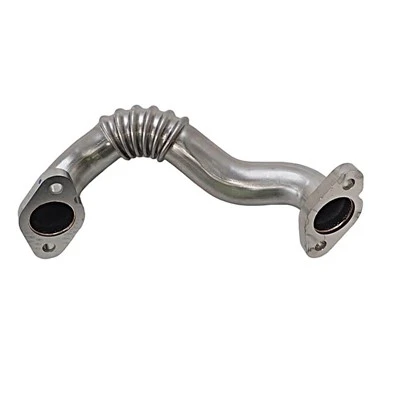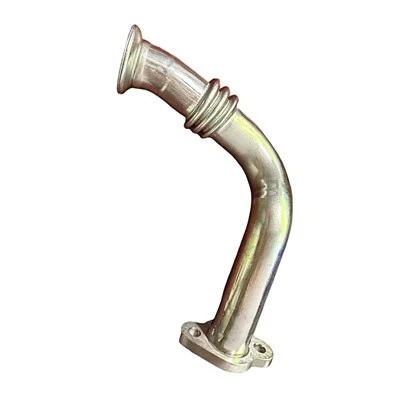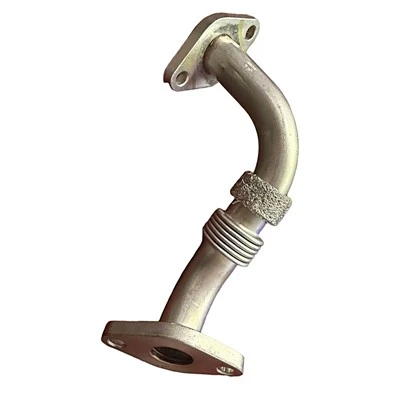


Technical standards and specifications for automobile exhaust pipes cover many aspects.
1. Dimensional accuracy
The diameter, length and other dimensions of each part of the exhaust pipe must strictly comply with the design requirements. Pipe diameter deviations are usually controlled within a very small range. For example, for common automobile exhaust pipes, the pipe diameter tolerance may be around ±0.5mm to ensure a good fit with the engine and other related components. In terms of length, different models are designed according to the layout of the exhaust system, and the tolerances are also stipulated accordingly, generally around ±1mm, ensuring that the exhaust pipe can be accurately installed at the designated position of the vehicle without affecting the overall exhaust performance and vehicle structural layout.
2. Material properties
1. High temperature resistance: The exhaust pipe material must be able to withstand the high temperature of the engine exhaust gas. It is usually required that the material's strength, toughness and other properties remain stable in high-temperature environments. For example, commonly used stainless steel exhaust pipes can withstand high temperatures above 600°C. Within this temperature range, the material will not suffer serious deformation or embrittlement due to overheating, ensuring the service life of the exhaust pipe and the normal exhaust function.
2. Corrosion resistance: Exhaust gas contains a variety of chemical components that will cause corrosion to the exhaust pipe. Therefore, the exhaust pipe material must have good corrosion resistance. For example, some high-quality stainless steel exhaust pipes can control the surface corrosion to a very small range within a specified period of time when passing specific salt spray tests and other tests, ensuring that the appearance and performance of the exhaust pipe are not affected.
3. Connection firmness
The connections between the various components of the exhaust pipe must be firm and reliable. The connection methods include welding, flange connection, etc. The welding part must ensure the quality of the weld and be free of defects such as pores and cracks. The welding strength must meet the vibration, thermal expansion and contraction stress requirements of the exhaust pipe during the working process. The flange connection requires good sealing and the bolt tightening torque meets the standards to prevent exhaust gas leakage and ensure that the connection part will not loosen during vehicle driving, affecting the normal operation of the exhaust system.
4. Exhaust performance
1. Exhaust smoothness: The design of the internal flow channel of the exhaust pipe should enable exhaust gas to be discharged smoothly and reduce exhaust resistance. By optimizing the flow channel shape, inner wall smoothness, etc., the exhaust back pressure is controlled within a reasonable range. For example, designs such as smooth transition curves and large-diameter straight sections are used to reduce the flow obstruction of exhaust gas in the exhaust pipe, improve the exhaust efficiency of the engine, and thereby improve the power performance.
2. Noise control: The exhaust pipe must have a certain silencing function. By setting up mufflers and other devices, the exhaust noise can be reduced by utilizing the principles of sound absorption and sound reflection. The internal structure of the muffler has various forms, such as porous sound-absorbing materials, resonant cavities and other combinations, which can significantly reduce the exhaust noise after passing through the exhaust pipe, meeting the requirements of vehicle noise regulations and the needs of drivers and passengers for a quiet driving environment.